
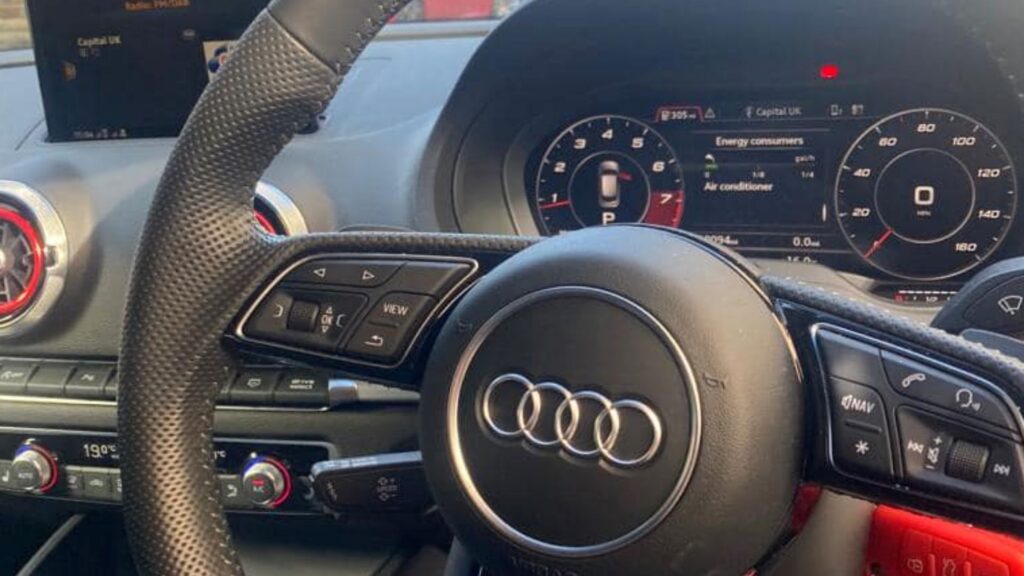
You’re driving through Bradford on your way to work, and without warning, a small light appears on your dashboard, the airbag warning light. It’s not flashing, it’s not making noise, and your car still seems to drive fine. So is it really a problem?
The short answer: yes, it matters, more than most drivers realise. In this guide, we’ll break down exactly what the airbag warning light means, what causes it, when it’s urgent, and what the diagnostic process actually involves. No scare tactics, no confusing jargon, just clear, practical information to help you make a confident decision.
What the Airbag Warning Light Actually Tells You
Modern vehicles are built around a system called the SRS, Supplemental Restraint System. This system manages not just your airbags, but also seatbelt pre-tensioners and related crash protection components. When your car’s computer detects something is off within this network, it switches on the airbag warning light and stores a fault code in the SRS control unit.
Think of the warning light as your car sending you a message: “one of my safety systems needs attention.” It doesn’t always mean the airbag is about to malfunction right now, but it does mean the SRS system may not behave as expected in an accident.
Here’s the critical point that many drivers miss: if the airbag warning light is on and you’re involved in a collision, your airbags may not deploy at all.
Common Reasons the Airbag Warning Light Comes On
There’s no single cause. The SRS system monitors many components, and any one of them logging a fault will trigger the light. Some of the most frequent causes include:
- Faulty or corroded airbag sensors, often triggered by impact, moisture, or age
- A seatbelt pre-tensioner fault, seatbelt buckle sensors are part of the SRS
- Crash data is stored in the SRS module following a previous accident, even a minor one
- Displaced, damaged, or corroded wiring, particularly under seats, where cables flex and shift
- A clock spring fault, a coiled connector in the steering column that can wear over time
- A discharged or low battery that caused a momentary SRS power interruption
- An SRS control unit that needs recalibration or replacement
Because so many different faults can produce the same warning light, guesswork isn’t an option here. The only reliable way to identify the cause is a proper diagnostic scan that reads the stored fault codes directly from the SRS module.
Why Driving With the Airbag Light On Is a Risk Worth Understanding
Some drivers ignore the airbag light for weeks or months. It’s understandable; the car still drives, and if nothing seems wrong, it can feel like something to deal with “later.” But there are two specific risks worth knowing about.
Your airbags may not deploy in a crash
When the SRS detects a fault, it can disable airbag deployment as a safety precaution to avoid the risk of accidental triggering. This means that in a serious accident, the protection you’d expect simply isn’t there. This is not a theoretical risk; it’s how modern SRS systems are designed to behave.
Your vehicle may fail its MOT
In the UK, the airbag warning light being illuminated during an MOT test is an automatic failure. If your test is coming up and the light is on, it will need to be resolved before your vehicle can pass, and depending on the underlying fault, that process can take time to arrange.
What Happens During an Airbag & SRS Diagnostic
A proper airbag diagnostic is more involved than a generic OBD2 scan. Standard code readers that plug into the OBD port generally cannot access SRS-specific fault codes; those are held in a separate, dedicated control module. Accurate diagnosis requires dealer-level or equivalent diagnostic equipment.
Here’s what a thorough diagnostic process typically involves:
- Reading SRS fault codes. The technician connects to the SRS module and retrieves all stored fault codes, including any that relate to crash data, sensor failures, or wiring faults.
- Interpreting the codes. Fault codes are a starting point, not a complete answer. An experienced technician understands the difference between a code that points to a failed component versus one caused by a wiring issue or stored crash data.
- Crash data review. If the vehicle has been in a previous accident, crash data may be stored in the SRS module. This data must be reset using specialist tools before the system can function normally again.
- Component and wiring checks. Depending on the codes, the technician may inspect specific sensors, test seatbelt buckle connectors, or check the clock spring and wiring harness for damage.
- Clear and verify. Once the underlying fault is resolved, codes are cleared from the module and the system is verified to ensure the light does not return.
It’s also worth noting: some SRS faults, particularly those involving crash data or module programming, can be beyond the ability of main dealerships to resolve. Specialist independent technicians with the right equipment can often fix issues that franchised garages have been unable to address.
A Note on Crash Data: Something Many Drivers Don’t Know
One of the less-understood aspects of airbag systems is how crash data works. When an airbag deploys, or even when the SRS sensors detect an impact above a certain threshold (sometimes from parking bumps or minor shunts), the SRS control module records this event permanently.
This stored crash data acts as a kind of lock on the system. Until it’s cleared by a technician using the correct equipment, the SRS module will continue to flag a fault and keep the warning light illuminated. This is why some vehicles that appear otherwise fine, perhaps bought second-hand, still show the airbag light persistently.
If you’ve recently purchased a used car in Bradford or elsewhere in West Yorkshire and the airbag light was already on, crash data is one of the first things worth investigating.
Buying a Used Car? The Airbag Light Is a Red Flag to Take Seriously
For anyone considering a used car purchase in Bradford, Leeds, or the wider West Yorkshire area, the airbag warning light deserves specific attention during any pre-purchase inspection.
A seller may reassure you that it’s “just a sensor” or that it went out after a battery change. These things can be true, but they can also be ways of minimising a more significant problem, such as crash data from an undisclosed accident, airbag deployment that hasn’t been declared, or damaged SRS components.
A vehicle pre-purchase diagnostic that includes the SRS system gives you clear, factual information before you hand over your money, and can reveal things a visual inspection simply cannot.
Frequently Asked Questions
Can I drive with the airbag warning light on?
The car will drive, but the SRS system may not deploy in a crash. Short essential trips may be okay, but it shouldn’t be ignored long-term.
Will the airbag light reset itself?
Rarely, most SRS faults stay stored in the module and require proper diagnostic equipment to reset.
Why can’t a standard OBD2 scanner read airbag faults?
Basic scanners only read engine codes; airbag (SRS) faults require specialist or dealer-level diagnostic tools.
Does an airbag warning light mean my airbags have already deployed?
No, it signals a system fault, not necessarily deployment; a diagnostic scan confirms the issue.
Is mobile airbag diagnostics available outside of Bradford?
Yes, mobile services typically cover wider West Yorkshire areas, so towing isn’t usually necessary.
What’s the difference between airbag diagnostics and airbag replacement?
Diagnostics identifies and clears the fault; replacement is only needed if an airbag has actually deployed.
The Practical Takeaway for Bradford Drivers
An airbag warning light is one of those dashboard alerts that’s easy to dismiss because the car continues to function normally. But unlike a low fuel warning, it’s not something that resolves itself by topping something up.
The underlying cause needs to be identified through a proper diagnostic scan of the SRS module, not guessed at, not cleared with a generic tool that’ll just bring the light back, and not left until the MOT comes around.
Once the actual fault is known, most airbag warning light issues are resolvable. The important thing is having accurate information to work from.
Contact Us
Call us: 07513 637663
Email: info@mobilecardiagnostics.co.uk