
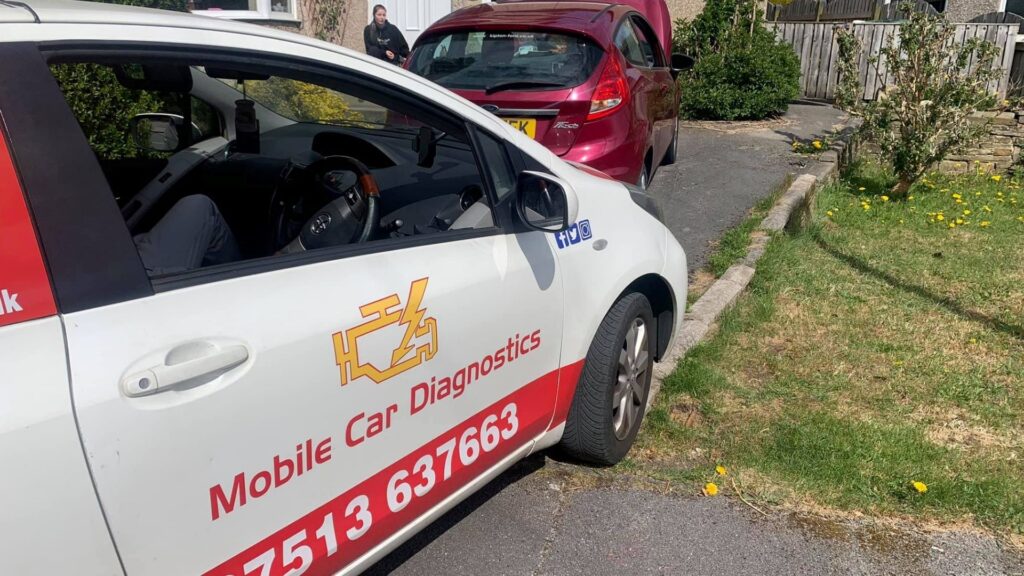
Fuel Drain Service helps thousands of drivers every year across the UK who, in a moment of distraction at the fuel pump, suddenly realise they have filled their car with the wrong fuel. Whether you have put petrol in a diesel car or diesel in a petrol car, that sinking feeling is completely understandable.
The good news? If you act quickly and make the right decisions, the outcome is far better than most drivers expect. This guide walks you through exactly what happens when wrong fuel enters your system, why speed matters, and what the safest course of action looks like from the pump to getting back on the road.
Why Wrong Fuel Accidents Are More Common Than You Think
According to industry estimates, over 150,000 misfuelling incidents occur in the UK each year. That works out to roughly one every few minutes. It is not a rare mistake made only by careless or inexperienced drivers; it happens to experienced motorists, fleet managers, and even mechanics.
There are a few common reasons this mistake happens:
- Hiring or borrowing an unfamiliar vehicle, particularly switching between petrol and diesel
- Distraction at the forecourt, such as a phone call or conversation
- Rushing during early mornings or late nights
- Differences in nozzle sizing (diesel nozzles are now slimmer in many UK stations, fitting petrol filler necks)
Understanding this context matters because it removes the stigma. Misfuelling is a common, fixable problem, and how you respond to it is what determines whether your vehicle walks away unscathed.
What Actually Happens Inside Your Engine
To understand why acting fast is critical, it helps to know a little about what is going on mechanically once wrong fuel enters the system.
Petrol in a Diesel Engine
This is the most common and potentially most damaging scenario. Diesel fuel acts as a lubricant for the high-precision components in a diesel fuel system, particularly the fuel pump. Petrol, by contrast, is a solvent. When petrol enters a diesel system, it strips away that lubrication, causing metal-to-metal contact inside the pump almost immediately. The longer the vehicle runs, the more contaminated metal particles circulate through the system.
Key insight: The engine does not need to be running for damage to begin. Even turning the ignition to the ‘on’ position can activate the fuel pump and start circulating the contaminated mixture.
Diesel in a Petrol Engine
This scenario is less common because diesel nozzles are typically too wide to fit into most modern petrol filler necks. However, it does happen especially with older vehicles or in self-service scenarios. Diesel in a petrol engine tends to cause incomplete combustion, fouled spark plugs, and a heavily smoking exhaust. The engine may misfire, run very roughly, or cut out altogether. While this is potentially less damaging than the reverse, it still requires professional draining before the vehicle can be safely driven.
The Golden Rule: Do Not Start the Engine
If there is one principle that every driver should know about wrong fuel situations, it is this: do not start the engine, and if you have already started it, switch it off immediately.
Here is a practical breakdown of what to do depending on where you are:
If You Are Still at the Petrol Station
- Do not start the engine under any circumstances
- Keep the key out of the ignition
- Put the vehicle in neutral and push it safely to one side, away from the pump
- Inform the forecourt staff
- Call a specialist Fuel Drain Service immediately
If You Have Already Started the Engine
- Switch off the engine as soon as it is safe to do so
- Do not try to drive the vehicle to a garage, even a short distance can circulate the wrong fuel further through the system
- Put on your hazard lights and move the car off the road if possible
- Call a mobile Fuel Drain Service specialist who can come to your location
Important: Calling a towing company and waiting for a garage appointment is not the same as a specialist Fuel Drain Service. A dedicated wrong fuel drainage service carries the correct equipment to fully flush the system on the spot.
What the Fuel Drain Service Process Looks Like
A professional wrong Fuel Drain Service is a structured, on-site procedure. Understanding what it involves can give you confidence in what to expect when a technician arrives.
A full Fuel Drain Service typically involves three stages:
1. Drain: The contaminated fuel is completely removed from the tank, fuel lines, and filter. This is done using specialist extraction equipment brought on-site.
2. Flush: The fuel system is flushed through to remove any residual contamination. This step is essential and is often skipped by non-specialists, which can cause ongoing issues.
3. Refill: The correct fuel is added, and the system is checked before the vehicle is started. A good technician will test the vehicle before leaving you.
In most cases where the engine was not started or was switched off very quickly, this process is sufficient to get the vehicle running safely again. If the engine was run for an extended period on the wrong fuel, a more detailed assessment of the fuel pump and injectors may be warranted.
Why Location and Response Time Matter in Bradford
Bradford and the wider West Yorkshire area present a particular challenge when it comes to roadside vehicle incidents: a mix of urban forecourts, dual carriageways, rural routes, and industrial areas means that wrong fuel incidents can happen anywhere, and access for recovery vehicles is not always straightforward.
A mobile Fuel Drain Service is inherently better suited to this kind of geography. A fully equipped technician coming directly to your location, whether that is a forecourt in Keighley, a car park in Dewsbury, or a roadside in Halifax, eliminates the delay and added risk of towing. Most importantly, it avoids any movement of the vehicle that might circulate contaminated fuel further through the system.
The areas covered in West Yorkshire where this kind of rapid response is especially valuable include Bradford, Leeds, Keighley, Pudsey, Dewsbury, Batley, Halifax, Heckmondwike, Huddersfield, and Harrogate. A 24/7 emergency Fuel Drain Service call-out ensures that the time of day or night is never a barrier to getting help.
The Difference Between Fuel Drain Service and Full Engine Repair
One of the most common points of confusion for drivers is distinguishing between a Fuel Drain Service, which is the correct first response, and engine repair work, which may or may not be needed afterwards.
In the majority of cases where the engine was not started, a professional Fuel Drain Service is all that is required. The vehicle can be returned to normal use without any lasting mechanical damage. This is why the guidance to avoid starting the engine is so important; following that one instruction dramatically increases the probability of a straightforward outcome.
In cases where the engine was run on the wrong fuel for any length of time, the picture changes. A qualified auto electrician or diagnostic specialist can assess whether the fuel pump has suffered internal wear, whether injectors have been affected, or whether fault codes have been logged by the vehicle’s engine management system. Modern vehicles with OBD-II diagnostic ports can be scanned to assess the health of the fuel system after an incident.
Worth knowing: Engine diagnostics after a wrong fuel incident can reveal early-stage damage that is far cheaper to address than a full fuel pump replacement later. It is an investment in peace of mind.
Frequently Asked Questions
Can I drive a short distance after putting in the wrong fuel?
No, even a mile or two can circulate contaminated fuel and damage the pump and injectors; stop the engine and call a Fuel Drain Service specialist.
How do I know if I’ve put in the wrong fuel?
Immediate signs include difficulty starting, rough running, misfiring, unusual smoke, loss of power, or the engine warning light.
Is my insurance likely to cover a wrong fuel incident?
Many UK comprehensive policies include misfuelling cover, but check your policy or call your insurer before arranging a Fuel Drain Service.
What happens if I only put a small amount of wrong fuel in?
Even partial contamination can reduce lubrication in diesel systems; a professional Fuel Drain Service assessment is always recommended.
Can a Fuel Drain Service be done at a petrol station forecourt?
Yes, a mobile Fuel Drain Service can come directly to the forecourt where the incident occurred, typically completing the drain, flush, and refill within an hour.
How long does a professional Fuel Drain Service take?
In straightforward cases where the engine was not started, a complete Fuel Drain Service takes approximately 45 minutes to one hour.
Why Speed of Response Has Changed
Twenty years ago, wrong fuel incidents often resulted in significant engine repairs because the accepted advice was simply to stop driving and call a garage. That meant waiting hours, sometimes days for an appointment, during which time contaminated fuel sat in the system. Modern mobile Fuel Drain Service providers have fundamentally changed this landscape.
The availability of 24/7 specialist response, combined with professional-grade portable extraction equipment, means that the gap between the incident and the solution has narrowed dramatically. A driver in Bradford, Leeds, or Halifax today can expect a qualified technician on site within a short window, often faster than a traditional recovery vehicle. This speed of response is the single biggest factor in determining whether a misfuelling incident results in a straightforward fix or a significant repair bill.
For fleet managers and businesses that operate multiple vehicles, understanding this landscape is especially valuable. A rapid-response mobile Fuel Drain Service as a standing arrangement reduces vehicle downtime and protects fleet assets from avoidable damage.
Contact Us
Call us: 07513 637663
Email: info@mobilecardiagnostics.co.uk